For better science communication, plan ahead
When a crisis hits us – whether a suspected virus lab leak, an extreme weather event, or a major pollution episode – science communication must be mobilised quickly. But like an emergency kit, you need to prepare it in advance; otherwise, you risk relying on last-minute resources that may not be fit for purpose.
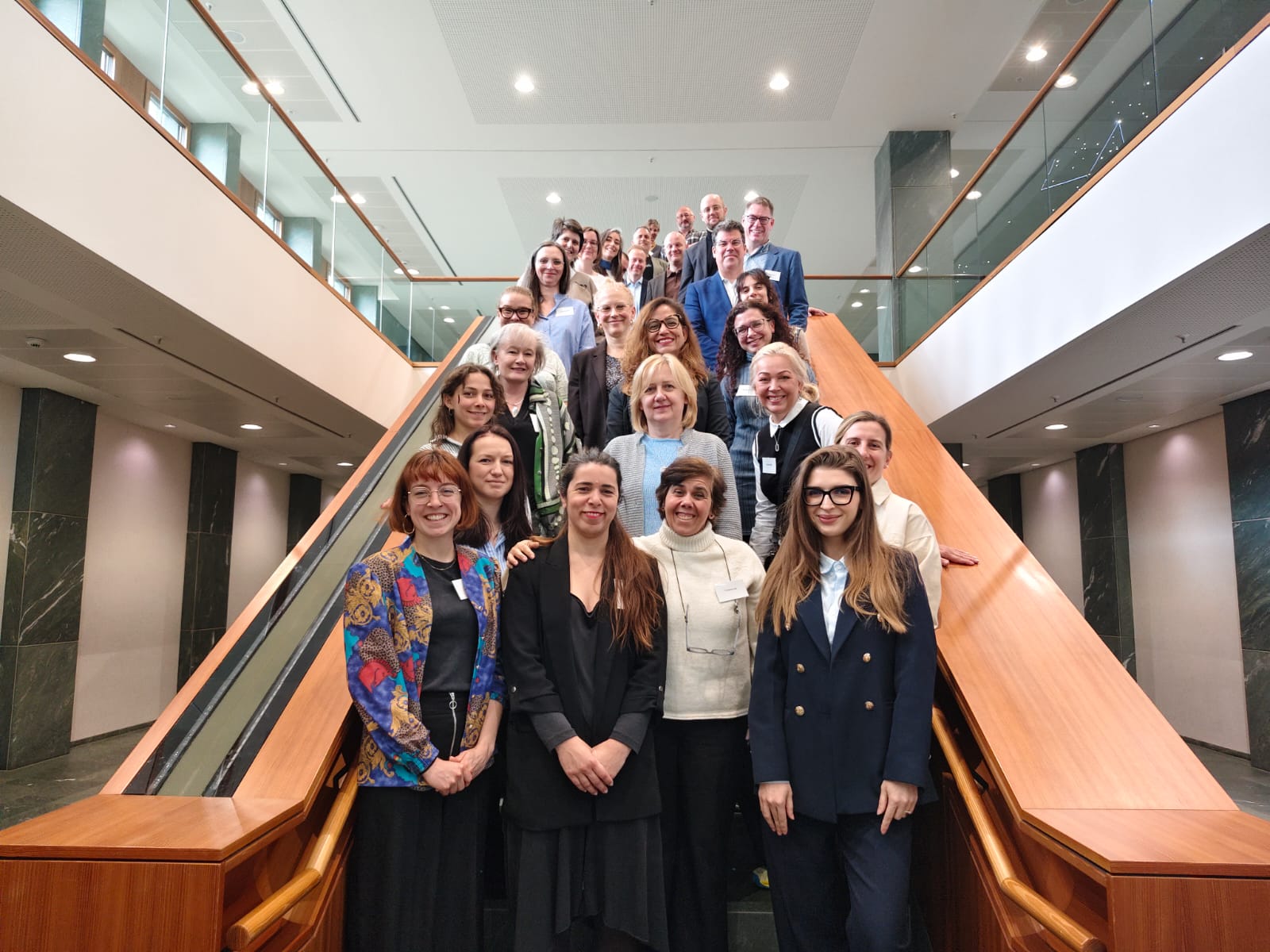
The participants at the third topic session from the Mutual Learning Exercise (MLE) in Science Communication in Research and Innovation, held in Berlin, reflected on the COVID-19 pandemic and other national examples to highlight the need for pre-planned and coordinated responses. Identifying experts and vulnerable communities in advance helps build trust and prepares communicators to respond to misinformation, which often spreads rapidly in times of crisis.
Similar conclusions emerged from a separate exercise focused on urgent and unexpected climate-related events. Preparing guidelines and best practices, training communicators, strengthening science and media literacy, and fostering trust in institutions and messengers were all identified as key priorities. The report outlining key considerations, barriers, solutions, and policy recommendations is now available.
While you are here, listen to our SciCom Conversations podcast with Prof Bruce Lewenstein (Cornell University). And before you leave, register on the recently relaunched platform of the European Competence Centre for Science Communication. See you there!
– The COALESCE communications team –